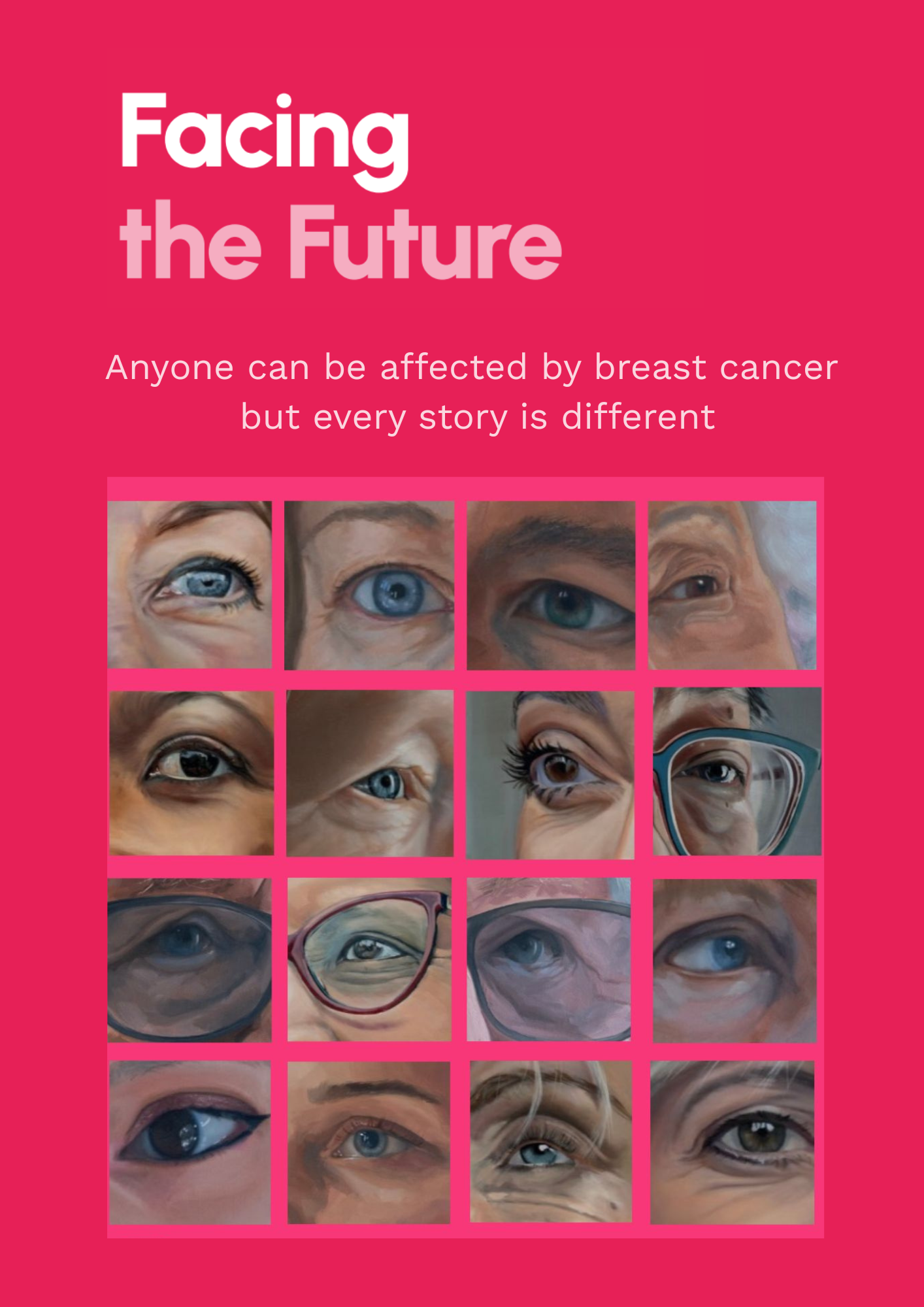
Portraits With Purpose: Kendrew Barn Exhibition Facing the Future by Ruth Swain and Paul Starns
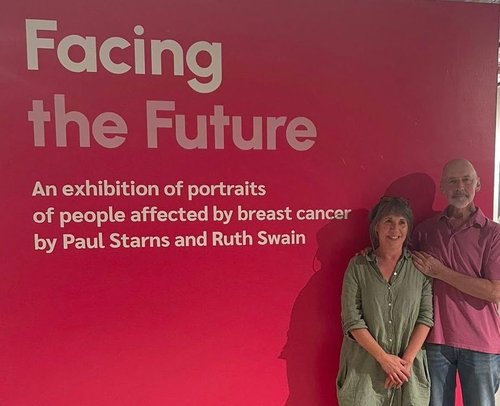
Ruth’s early path took her to art college in Bristol, where she studied graphic design and entered the world of advertising. Eventually, she returned to art school in London to study contemporary portraiture. It was there that she met Paul, who had retired after a career as a wholesaler a decade earlier, and hadn’t picked up a paintbrush since his school O‑levels. On a whim, he signed up for the portraiture classes. Quickly it became a new passion for him, helped along by a warm, lively community of fellow students. They realised they share a curiosity about people, a love of portraiture, and a desire to create something meaningful.
The idea of mounting an exhibition together emerged gradually. They knew they wanted to collaborate, but the question was: on what? Both felt strongly that the project should ‘give something back’. After a visit to the Colin Davidson exhibition Silent Testimony at the National Portrait Gallery, which was a series of portraits of individuals affected by the Troubles in Northern Ireland, they had their answer. Davidson’s work showed how portraiture could hold space for trauma, resilience, and humanity without sensationalising any of it. It was, Ruth says, an ‘insight into what a certain kind of exhibition could be’.
This set the wheels in motion, and they decided to create an exhibition to raise money for a charity close to their hearts. Fourteen years earlier, Ruth had been diagnosed with breast cancer. She had survived, rebuilt, and moved forward, but the impact of the experience had never left her. Paul had been diagnosed with Hodgkin’s Lymphoma at 28, and his wife and mother had also faced breast cancer. This subject matter felt personal and purposeful, which, whilst painful, was also rich with stories of survival, community, and hope.
Having decided to focus on breast cancer portraits, the first step was to see whether anyone would even agree to be painted. They reached out via a connection made at art school, Mary, who worked at the Charity, Breast Cancer Now. Ruth approached the first potential sitter with trepidation. She wondered, ‘Would it feel intrusive? Too sensitive? Too exposing?’. After initially being sceptical, their first sitter not only agreed to participate but became a driving force behind the project. Claire, now affectionately known as their ‘fundraiser‑in‑chief’, helped spread the word, and ultimately coordinated corporate sponsorship. Paul met Roger, another one of their first sitters through an online forum. Connections were made through personal and professional networks, digital support groups, and word of mouth.
Things quickly gained momentum and others followed, women and men, from different age groups, different nationalities and backgrounds, in differing stages of treatment or recovery. As the project grew, Ruth and Paul realised they needed a balance of stories, ranging from people in the public eye, research or treatment roles, and from diverse communities to reflect the breadth of experiences. Breast cancer affects everyone, and the exhibition needed to reflect that.
The timeline to put on their first exhibition was tight. They saw the Davidson exhibition in November 2024. By early 2025, they had committed to producing eight portraits each by October. As Paul humbly explains ‘Ruth is very professional, a full‑time artist, but I am more a hobbyist’, so this was no mean feat. This deadline meant nine months of intense work, from April through August, with barely a pause. ‘We put ourselves under pressure’, Ruth admits, ‘but it was worth it’.
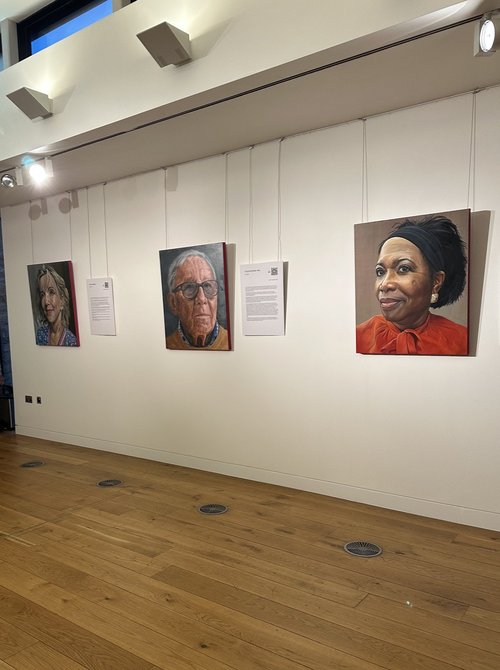
The portraits were intimate: close‑up head‑and‑shoulders compositions that focused on the person rather than letting them be defined by their illness. Each sitter wrote their own story to accompany the painting. Ruth and Paul deliberately avoided delving too deeply into personal histories whilst painting,; in order for the artistic process not to be emotionally overwhelmed. The stories came later; some were incredibly sad. Visitors to the exhibition were deeply moved. Paul stated that he found himself unprepared for the emotional impact his art could have. ‘I wasn’t ready for the tears’, he says. ‘People were incredibly affected by it’. Yet the overall tone remained hopeful.
As Paul puts it, he was proud that ‘my kids were genuinely surprised by, not just the fundraising, but the quality and scale of the exhibition’. Their art tutors were equally amazed. Helped by their team, particularly with regards to marketing and creative, canny fundraising ideas, Ruth and Paul feel that their donations exceeded anything they had imagined. At last count, the exhibition had raised £133,000 for charity. They hope that it will continue to raise money and have had further interest in corporate sponsorship.
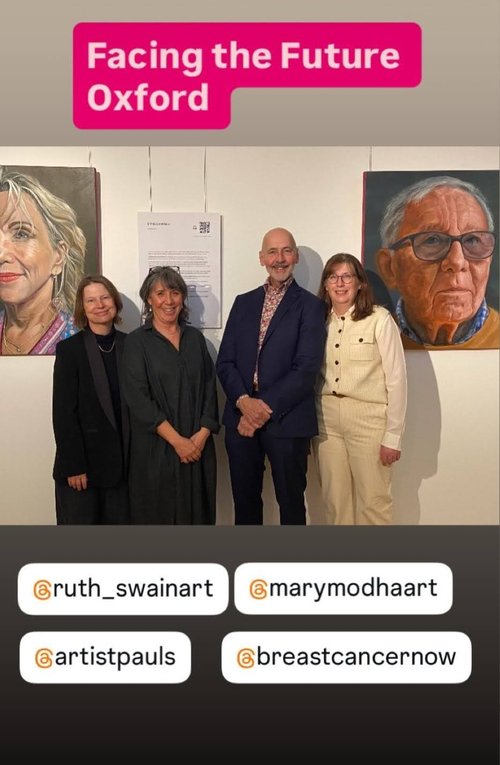
This was the first exhibition for the pair, and neither had put on anything comparable in either scale or impact. The project has already travelled through several venues, including exhibitions in London as well as Kendrew Barn. Ruth is based in Oxford, so the venue made sense to be on her ‘home turf’. The paintings will eventually be returned to the sitters, as promised, but there is interest in further touring before that happens. A new Oxford event is already in discussion, and updates will continue to appear on their website.
After such an intense period, neither Ruth nor Paul are in a rush to embark on anything of similar scale quite yet. Ruth is currently working on a series of paintings responding to the humanitarian crisis in Gaza, another project rooted in charity. Paul continues to paint for pleasure, grateful for the unexpected artistic chapter that retirement opened up for him. Both remain proud of what they created together.