Steering Group New Member Introduction: Orla Hogan
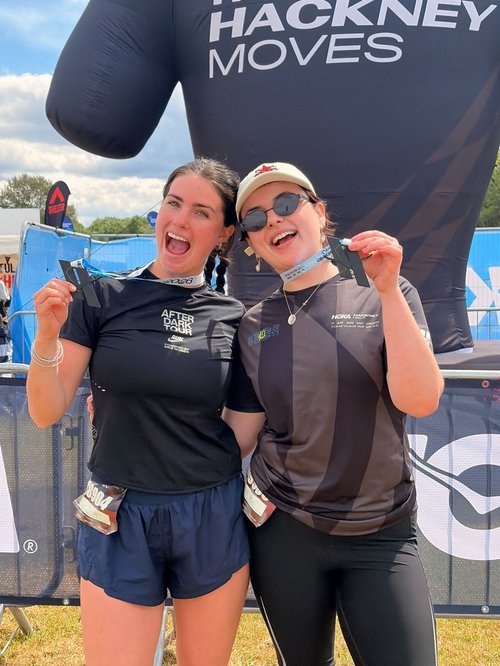
I am a first-year DPhil student in History here at St John’s, and I am one of the MCR’s Women’s and Gender Minorities Officers. When I was asked to write a few words for the St John’s Women’s Network, I found myself struggling to articulate precisely where my passion for women’s issues first came from. The exercise made me realise that women’s issues have been the thread running through my personal, academic and professional life for as long as I can remember.
Academically, I work on censorship and the institutional mistreatment of women in twentieth-century Ireland, including the mistreatment of mothers and children in the Magdalene Laundries. I am preoccupied with questions on how women’s lives were historically controlled, hidden and written out of the official record, and how that silence was eventually broken over a period of many years. It is, by its nature, difficult and deeply confronting material. But what inspires me so much about it is a conviction that recovering these histories matters, that naming what happened to women is itself a form of repair, and that the past is never quite as settled as it might appear at first glance. Ultimately, I’m interested in why the women who were most badly served by the institutions around them so often went unheard, and why a reckoning that is both public and honest took so long to arrive.
Alongside my research, I have tried to engage myself in projects relating to women’s and health issues as much as I can. During my undergraduate years at Cambridge, I spent a summer working at Dhiverse, a sexual health charity in the city. It was a different kind of education entirely, one that was less about archives and close analysis, and more so about embedding myself in the Cambridge community and listening to the experiences of residents. I came away with a much clearer sense of just how much quiet, unglamorous work goes into providing essential services for a community, and how rarely that work gets named. I left with a far greater appreciation of how seemingly innocuous things – like the wording on a leaflet or how clearly a service explains how to contact points of support – can inform whether people reach out for help.
I was also involved in Cambridge Pink Week during my BA and MPhil. Pink Week is a student-led campaign raising awareness and funds in the fight against breast cancer. Breast cancer awareness is a cause close to my heart – my mum, who is the biggest source of inspiration in my life,g is a survivor. What I enjoyed so much about Pink Week was that it straddled the line between educational and celebratory events. It made room for fear, grief and difficult conversations while still cultivating a sense of warmth and support. More recently, I’ve been working with the Women’s Budget Group in London, a feminist think tank. This work has been a useful reminder that “women’s issues” are rarely confined to one tidy category. They are economic, structural, historical and intensely personal, often all at the same time.
Drawing these threads together, I knew that when I started at St John’s I wanted to play a part in the women’s community here. Together with Fran, the other Women’s and Gender Minorities Officer, we have been building on the work of our predecessors to continue making the MCR a genuinely useful and welcoming part of life at St John’s. My hope is for it to be a place where graduate women and gender minorities can find one another, share what they’re navigating, and not have to explain themselves from scratch every time.
So far, that has looked like women’s brunches and other informal, low-pressure settings where conversations can simply happen. After the success of our annual dinner and events this term, I’m really looking forward to seeing what the next few months have in store.